Commercial Cleaning Experts
  • Commercial Cleaning Services
        • Janitorial Services
        • Day Porters
        • Deep Cleaning Services
        • Clean Room Services
        • Construction Cleaning
        • Hard Floor Cleaning
        • Carpet Cleaning
  • Industries
    • Commercial Office
    • Medical
    • Warehouse/Distribution
    • Industrial Facilities
    • Education
    • Clean Room
  • About Us
    • Areas We Serve
      • Minnesota
      • South Dakota
      • North Dakota
      • Michigan
      • Wisconsin
    • Blog
    • Careers
  • (763) 421-9554
  • Contact Us
  • Menu Menu

How to Prevent Common Clean Room Contamination Sources

Even the smallest particle can disrupt a clean room’s integrity. From improperly gowned staff to unseen dust on equipment, clean room contamination sources are everywhere—and the stakes are high. For facility managers and clean room operators, minimizing these risks isn’t just smart—it’s essential for compliance, product safety, and operational success.

How to Prevent Common Clean Room Contamination Sources

The Impact of Clean Room Contamination

In fields like tech and medical manufacturing, even microscopic particles can render a batch unusable, put patient safety at risk, or result in regulatory action. That’s why identifying clean room contamination risks early is essential to protecting both product quality and your reputation.

The consequences of contamination are far-reaching. When a clean room fails to maintain its controlled environment:

  • Product quality suffers, especially in precision-based applications like pharmaceutical compounding or medical device assembly. A single contaminant can cause failures in sterility, accuracy, or functionality.
  • Regulatory bodies may intervene, leading to failed audits, fines, or required shutdowns to address noncompliance. In heavily regulated sectors, these outcomes are both expensive and damaging to trust.
  • Operational costs increase due to batch recalls, product rework, and unplanned downtime—all of which can disrupt delivery schedules and erode profitability.
  • Patient safety becomes a liability, especially if contaminated products reach market. This risk endangers end users and can lead to legal repercussions and permanent reputational harm.

Understanding how clean room contamination risks can cascade through your process highlights just how critical it is to maintain strict control. By investing in the right protocols, training, and cleaning strategies, medical manufacturers can avoid these setbacks and maintain consistent, audit-ready operations.
What Are the Most Common Clean Room Contamination Sources?

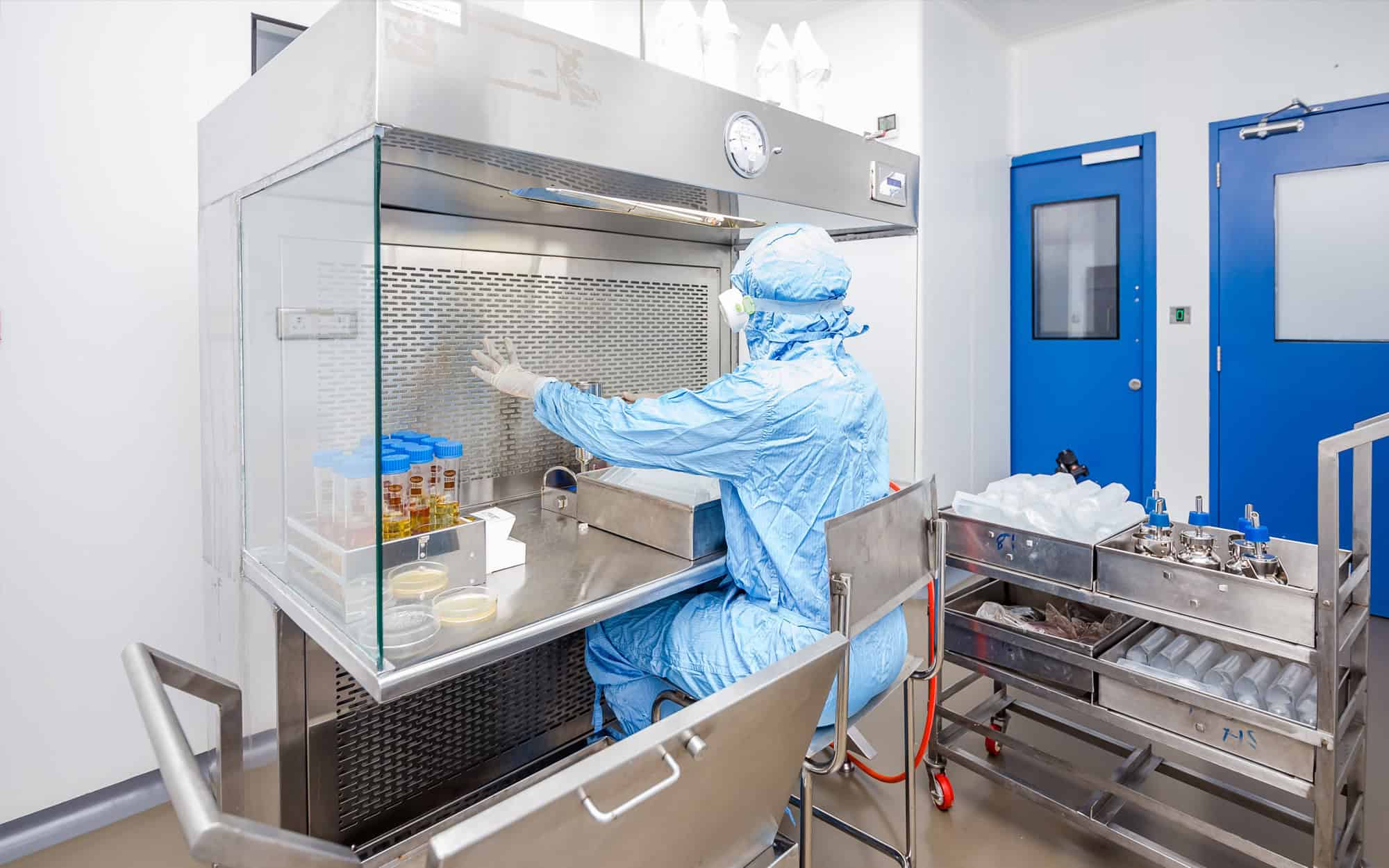
Even in a controlled environment, contamination threats are everywhere. Identifying and addressing the most common clean room contamination sources is the first step toward maintaining compliance and protecting your products.

Whether you’re operating a Class 100 or Class 10,000 clean room, understanding these risk areas can save your facility from costly mistakes and potential shutdowns. Some of the most frequent clean room contamination sources include:

Personnel

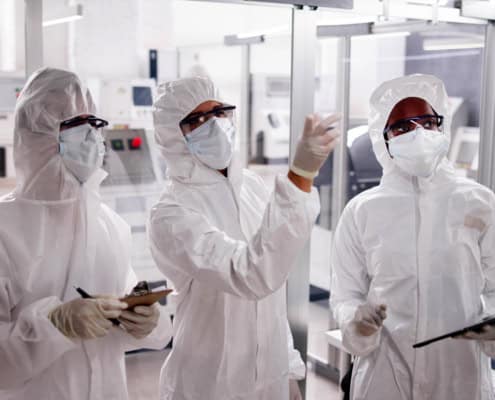
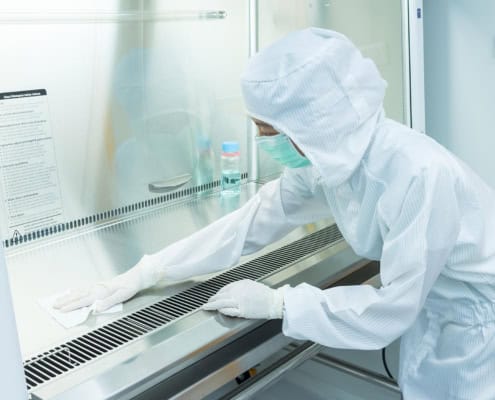
People are the number one contributor to clean room contamination. Improper gowning or failing to follow entry protocols dramatically increases the risk. Without proper training, staff may unknowingly compromise the sterile environment every time they step inside.

Footwear and Clothing

Shoes and pant legs are major culprits for tracking in dust and dirt. If employees aren’t changing into clean room-specific garments—or if tacky mats and footwear protocols aren’t enforced—those particles follow them right into your critical space.

Airflow Disruptions

Unbalanced airflow systems or poorly maintained HEPA filters can allow potential contaminants to circulate freely. Even small disturbances in air pressure or direction can cause particles from less-controlled areas to drift into sensitive zones, compromising your clean room classification.

Equipment and Tools

Anything brought into the clean room must meet strict cleanliness criteria. Equipment that’s improperly cleaned or rarely maintained can harbor particles, microbes, or chemical residue that directly contaminate the environment.

Materials and Packaging

Raw materials, packaging, and supplies are often overlooked sources of contamination. If these items aren’t wiped down or inspected before entry, they can introduce foreign particles or even bacteria into your clean room environment.

Standards That Guide Contamination Control in Cleanrooms

Clean rooms operate under strict regulatory oversight, and for good reason. Without standardized protocols, maintaining air purity and minimizing contamination risks would be nearly impossible. Several key standards provide the foundation for cleanroom design, maintenance, and operation:

  • ISO 14644 Series: This international standard defines clean room classifications based on the concentration of airborne particles. It’s the primary guideline used to determine cleanliness levels and acceptable particulate thresholds for different environments.
  • cGMP (Current Good Manufacturing Practices): Enforced by the FDA, cGMP sets expectations for cleanliness, personnel hygiene, documentation, and equipment handling. It’s critical in pharmaceutical, biotech, and life sciences applications where product sterility and consistency are essential.
  • USP <797> and <800>: These United States Pharmacopeia chapters govern sterile compounding and hazardous drug handling. They emphasize preventing contamination through environmental monitoring, cleaning routines, and employee safety procedures.
  • FDA and EU GMP Guidelines: For facilities distributing globally, it’s important to align with both U.S. and European manufacturing practices. These regulations outline expectations for validation, facility design, and contamination control during production.

These standards all reinforce a shared message: clean rooms must be actively managed and maintained to ensure a controlled environment.

Explore how CCE can help you prevent contamination and maintain audit-ready conditions year-round with professional clean room cleaning.

Learn More

Clean Room Contamination Control Best Practices

The following clean room contamination control best practices help maintain compliance, extend equipment lifespan, and ensure your space operates at the required cleanliness classification. From internal protocols to outsourcing professional cleaning services, here’s what every facility manager should prioritize.

Follow Proper Gowning Protocols

Personnel are the top source of contamination, making strict gowning procedures non-negotiable. Staff should be trained to don approved clean room garments in the correct sequence, with specific attention to gloves, face covers, and hair containment.

Control Footwear and Entry Points

Shoes are notorious for tracking in dust and debris. Tack mats at the entry point, combined with clean room-specific footwear or booties, help capture particles before they enter the environment. It’s also critical to restrict access to trained personnel only—every additional person increases clean room contamination risks.

Maintain Airflow and HVAC Integrity

Unbalanced airflow can spread contaminants rather than remove them. Regularly inspecting and validating your HVAC system is essential to maintaining positive pressure and preventing backflow from adjacent areas. Filters, especially HEPA or ULPA, must be replaced per manufacturer recommendations to ensure proper function.

Decontaminate Materials Before Entry

Supplies, tools, and raw materials should never be brought into a clean room without inspection and wipe-down. Using approved cleaning agents and cleanroom-compatible packaging helps eliminate external contaminants before they become internal threats. Designate a transition zone or airlock for material staging and cleaning.

Implement a Layered Cleaning Schedule

One of the most important clean room contamination control best practices is maintaining a routine, layered cleaning schedule. High-touch surfaces should be cleaned daily, while floors, walls, ceilings, and equipment require regular disinfection depending on room classification. This is where professional cleaning services provide measurable value.

Get Ahead of Clean Room Contamination Sources With CCE

Partner with Commercial Cleaning Experts for professional cleaning services tailored to your cleanroom’s classification and compliance needs. Our trained teams help you maintain a controlled environment with precision, consistency, and confidence—so you can focus on production, not prevention. Contact us today to schedule a consultation.

Share This Post

  • Share on Facebook
  • Share on X
  • Share on WhatsApp
  • Share on Pinterest
  • Share on LinkedIn
  • Share on Tumblr
  • Share on Vk
  • Share on Reddit
  • Share by Mail

More Like This

Controlled Environments Beyond Cleanrooms: Where Standards Apply

Clean Room Cleaning, Compliance, Controlled Environment Cleaning
https://cleanworkplaces.com/wp-content/uploads/2025/12/Controlled-Environments-Beyond-Cleanrooms_-Where-Standards-Apply.jpg 1250 2000 Abstrakt Marketing /wp-content/uploads/2024/02/Logo-Edited.png Abstrakt Marketing2025-12-18 14:56:392026-05-07 14:18:21Controlled Environments Beyond Cleanrooms: Where Standards Apply
A Clean Room Cleaning Frequency Breakdown

A Clean Room Cleaning Frequency Breakdown

Clean Room Cleaning
https://cleanworkplaces.com/wp-content/uploads/2025/07/A-Clean-Room-Cleaning-Frequency-Breakdown.jpg 1250 2000 Abstrakt Marketing /wp-content/uploads/2024/02/Logo-Edited.png Abstrakt Marketing2025-07-07 07:50:142026-05-07 14:18:27A Clean Room Cleaning Frequency Breakdown
Understanding the Most Common Clean Room Maintenance Mistakes

Understanding the Most Common Clean Room Maintenance Mistakes

Clean Room Cleaning
https://cleanworkplaces.com/wp-content/uploads/2025/07/Understanding-the-Most-Common-Clean-Room-Maintenance-Mistakes.jpg 1250 2000 Abstrakt Marketing /wp-content/uploads/2024/02/Logo-Edited.png Abstrakt Marketing2025-07-07 07:39:262026-05-07 14:18:27Understanding the Most Common Clean Room Maintenance Mistakes
The Clean Room Cleaning Process: Step-by-Step Breakdown of What You Can Expect

The Clean Room Cleaning Process: Step-by-Step Breakdown of What You Can Expect

Clean Room Cleaning
https://cleanworkplaces.com/wp-content/uploads/2025/07/The-Clean-Room-Cleaning-Process-Step-by-Step-Breakdown-of-What-You-Can-Expect.jpg 1250 2000 Abstrakt Marketing /wp-content/uploads/2024/02/Logo-Edited.png Abstrakt Marketing2025-07-07 07:32:422026-05-07 14:18:28The Clean Room Cleaning Process: Step-by-Step Breakdown of What You Can Expect
Explore the clean room cleaning science behind contamination control, including filtration systems, specialized equipment, and validated cleaning techniques.

Breaking Down Clean Room Cleaning Science: Tools, Filters, and Protocols

Clean Room Cleaning
https://cleanworkplaces.com/wp-content/uploads/2025/06/An-industrial-design-of-a-pharmaceutical-clean-room.jpg 1250 2000 Abstrakt Marketing /wp-content/uploads/2024/02/Logo-Edited.png Abstrakt Marketing2025-06-06 13:56:402026-05-07 14:18:28Breaking Down Clean Room Cleaning Science: Tools, Filters, and Protocols

5 Industries That Rely on Cleanroom Cleaning (and Why It Matters)

Clean Room Cleaning
https://cleanworkplaces.com/wp-content/uploads/2025/06/5-Industries-That-Rely-on-Cleanroom-Cleaning-and-Why-It-Matters.jpg 1250 2000 Abstrakt Marketing /wp-content/uploads/2024/02/Logo-Edited.png Abstrakt Marketing2025-06-03 09:03:312026-05-07 14:18:285 Industries That Rely on Cleanroom Cleaning (and Why It Matters)
Handsome hispanic man working as scientific cleaning the table at laboratory

Why Clean Room Cleaning Services Aren’t Your Average Janitorial Job

Clean Room Cleaning
https://cleanworkplaces.com/wp-content/uploads/2025/06/Handsome-hispanic-man-working-as-scientific-cleaning-the-table-at-laboratory.jpg 1250 2000 Abstrakt Marketing /wp-content/uploads/2024/02/Logo-Edited.png Abstrakt Marketing2025-06-02 12:52:502026-05-07 14:18:29Why Clean Room Cleaning Services Aren’t Your Average Janitorial Job
In-House Cleaning vs. Professional Cleaning for Controlled Environments

In-House Cleaning vs. Professional Cleaning for Controlled Environments

Clean Room Cleaning
https://cleanworkplaces.com/wp-content/uploads/2025/02/In-House-Cleaning-vs.-Professional-Cleaning-for-Controlled-Environments-2.jpg 1250 2000 Abstrakt Marketing /wp-content/uploads/2024/02/Logo-Edited.png Abstrakt Marketing2025-02-19 15:34:452026-05-07 14:18:33In-House Cleaning vs. Professional Cleaning for Controlled Environments
person cleaning clean room desk

What Is Cleanroom Cleaning?

Clean Room Cleaning
https://cleanworkplaces.com/wp-content/uploads/2024/12/person-cleaning-clean-room-desk.jpg 1250 2000 Abstrakt Marketing /wp-content/uploads/2024/02/Logo-Edited.png Abstrakt Marketing2024-12-11 15:59:432026-05-07 14:18:34What Is Cleanroom Cleaning?
Previous Previous Previous Next Next Next

Categories

  • Clean Room Cleaning
  • Commercial Cleaning
  • Compliance
  • Controlled Environment Cleaning
  • Corporate Strategy
  • Emergency Preparedness
  • ESG
  • Facility Risk Management
  • Health & Safety
  • Hospital Cleaning Protocols
  • Industrial Cleaning
  • Janitorial Cleaning
  • Medical
  • Multi-Site Cleaning
  • Office Cleaning
  • Outpatient Facility Cleaning
  • School Cleaning
  • Vendor Evaluation

Contact Us

"*" indicates required fields

This field is for validation purposes and should be left unchanged.

Areas We Serve

Minnesota

Michigan

Wisconsin

North Dakota

South Dakota

What We Do

Janitorial Services

Day Porters

Deep Cleaning

Clean Room Services

Construction Cleaning

Hard Floor Cleaning

Carpet Cleaning

Contact Us

Main: (763) 421-9554
Toll Free: (800) 248-2201
Fax: (763) 421-9621

info@mh-inc.com

Website by Abstrakt Marketing Group ©
  • Privacy Policy
  • Sitemap
Scroll to top Scroll to top Scroll to top

This site uses cookies. By continuing to browse the site, you are agreeing to our use of cookies.

OKLearn more

Cookie and Privacy Settings


How we use cookies

We may request cookies to be set on your device. We use cookies to let us know when you visit our websites, how you interact with us, to enrich your user experience, and to customize your relationship with our website.

Click on the different category headings to find out more. You can also change some of your preferences. Note that blocking some types of cookies may impact your experience on our websites and the services we are able to offer.

Essential Website Cookies

These cookies are strictly necessary to provide you with services available through our website and to use some of its features.

Because these cookies are strictly necessary to deliver the website, refusing them will have impact how our site functions. You always can block or delete cookies by changing your browser settings and force blocking all cookies on this website. But this will always prompt you to accept/refuse cookies when revisiting our site.

We fully respect if you want to refuse cookies but to avoid asking you again and again kindly allow us to store a cookie for that. You are free to opt out any time or opt in for other cookies to get a better experience. If you refuse cookies we will remove all set cookies in our domain.

We provide you with a list of stored cookies on your computer in our domain so you can check what we stored. Due to security reasons we are not able to show or modify cookies from other domains. You can check these in your browser security settings.

Other external services

We also use different external services like Google Webfonts, Google Maps, and external Video providers. Since these providers may collect personal data like your IP address we allow you to block them here. Please be aware that this might heavily reduce the functionality and appearance of our site. Changes will take effect once you reload the page.

Google Webfont Settings:

Google Map Settings:

Google reCaptcha Settings:

Vimeo and Youtube video embeds:

Accept settingsHide notification only